protection


New bill calls for better fraud protections after Olympia woman loses life savings in scam

Date: July 23, 2025

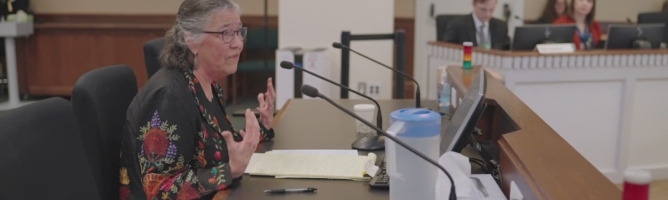
A new bill is being proposed to enhance fraud protections following a case where an Olympia woman lost her life savings to a scam. The victim, 81-year-old Phyllis, was deceived by fraudsters posing as Amazon and law enforcement representatives. They convinced her to transfer her savings into a Bitcoin ATM, promising it was for safeguarding her funds. The incident highlights the growing issue of sophisticated scams targeting vulnerable individuals. Lawmakers aim to introduce measures that would require financial institutions to implement stronger safeguards and educate the public about recognizing and avoiding scams. The bill seeks to prevent similar tragedies and protect consumers from financial exploitation....

Read more


7 Scams That Target Your Bank Account

Date: July 23, 2025

U.S. News highlights several bank-targeting scams draining consumers’ funds, including check-overpayment schemes, charity frauds, online lending scams, and those exploiting peer-to-peer (P2P) platforms like Zelle and Venmo. Check-overpayment fraud involves scammers sending fake checks, asking victims to refund overpayments before the check bounces. Charity scams exploit goodwill, while malicious lending offers lure people into hidden fees from fraudulent services. P2P scams use urgency and impersonation to coax victims into sending money that can’t be reversed. Experts suggest pausing, verifying requests via trusted channels, and closely monitoring account activity....

Read more

Boomers are getting scammed for billions online — here’s how to break the cycle

Date: July 23, 2025

The article discusses the growing issue of financial scams targeting the elderly, resulting in significant monetary losses. Elderly individuals are often targeted due to factors like isolation, cognitive decline, and unfamiliarity with technology. These scams can take various forms, including phishing emails, phone scams, and fraudulent investment schemes. The financial impact is severe, with many losing their savings and financial security. The article emphasizes the importance of educating seniors and their families about potential scams and implementing stronger protective measures. It also calls for better regulatory actions and community support to safeguard the elderly from such financial exploitation....

Read more
FBI Recognizes Elder Abuse Awareness Day and Warns Americans About Elder Fraud

Date: July 23, 2025

The FBI's Cleveland Field Office highlights World Elder Abuse Awareness Day, emphasizing the growing issue of elder fraud. Elder fraud involves scams targeting older adults, often resulting in significant financial losses. Common schemes include romance scams, lottery scams, and tech support fraud. The FBI urges the public to remain vigilant and report any suspicious activities. They stress the importance of educating elders and their families about these scams to prevent victimization. Additionally, the FBI collaborates with various organizations to combat elder fraud and provide resources for victims. Awareness and proactive measures are crucial in protecting the elderly from fraud....

Read more

7 On Your side has tips on how to spot online fraud, text scams

Date: July 23, 2025

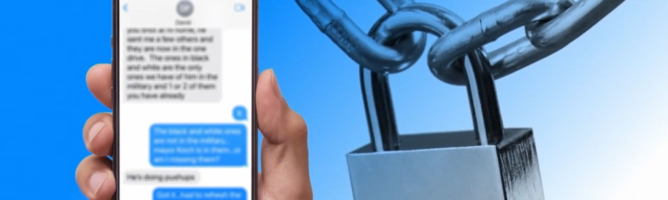
The article from ABC7NY discusses tips to identify and avoid online fraud and text scams. It highlights the increasing prevalence of scams targeting individuals through emails, texts, and social media. One key tip is to be cautious of unsolicited messages asking for personal information or money. Scammers often impersonate reputable companies or government agencies to gain trust. Another important point is to verify the authenticity of messages by checking official websites or contacting companies directly. Additionally, the article advises against clicking on suspicious links and emphasizes using strong, unique passwords for online accounts to protect personal data....

Read more

Fake PayPal email let hackers access computer and bank account

Date: July 23, 2025

A recent scam involving fake PayPal emails is targeting users by tricking them into giving hackers access to their computers and bank accounts. The scam works by sending an email that appears to be from PayPal, claiming there is an issue with the recipient's account. The email includes a link that, when clicked, installs malware on the user's computer. This malware allows hackers to steal sensitive information, including bank details. Experts advise users to be cautious and not click on suspicious links or attachments in emails. Instead, users should directly log into their PayPal accounts through the official website to verify any issues....

Read more

‘Someone’s Impersonating You’: The Bank Scam That Fooled an NFL Sta

Date: July 23, 2025

Bitdefender outlines a sophisticated vishing impersonation scam where fraudsters pose as a bank’s fraud department, spoof phone numbers, and use personal data to appear legitimate. The scam targets trust and urgency, urging victims to move funds into “safe” accounts controlled by scammers. NFL linebacker Dallas Turner was conned into transferring $240,000 into accounts at real bank branches, believing he was securing his money—only recovering about $2,500 later. The article stresses this scam’s emotional manipulation and recommends hanging up and calling official institutional numbers for validation....

Read more

5 common types of bank account fraud and how to protect yourself

Date: July 23, 2025

Bank account fraud involves unauthorized activities aimed at accessing or manipulating someone’s bank account. Common types include identity theft, where fraudsters use stolen personal information to open new accounts or access existing ones, and phishing scams that trick individuals into revealing sensitive information through fake communications. Check fraud involves altering or forging checks, while card fraud includes unauthorized transactions using stolen debit or credit card details. To protect against fraud, individuals should regularly monitor their accounts, use strong passwords, and be cautious about sharing personal information. Banks also offer tools like alerts and two-factor authentication to enhance account security....

Read more
1 2